

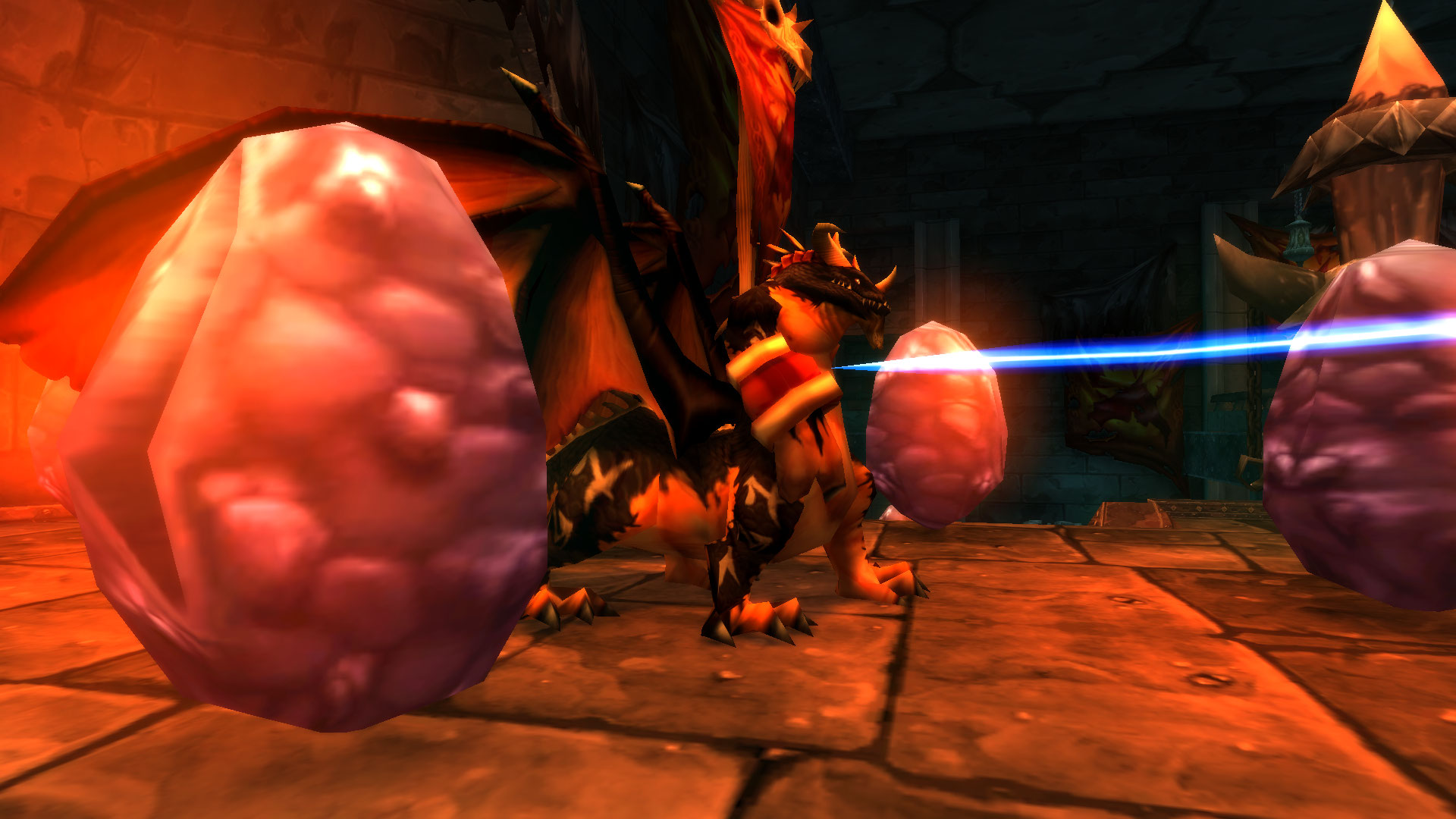
In the world of World of Warcraft, assembling a successful raid group can be the difference between triumph and failure. Particularly in a 40-man raid, the composition of your team is crucial to tackle the various challenges presented by end-game content. The ideal raid composition must balance damage dealers, healers, and tanks while ensuring that utility and crowd control are also adequately covered. In this guide, we will delve into the essential components of a successful raid composition, the importance of synergy, and how to maximize your group’s potential for progression through complex encounters.
Understanding Raid Roles and Their Importance
Each member of a raid team has a specific role to fulfill, and understanding these roles is paramount to success in a 40-man setting. The three primary roles include tanks, healers, and damage dealers (DPS). Tanks are responsible for soaking up damage and maintaining aggro on bosses and mobs, while healers ensure that the tanks and DPS remain alive through intense damage phases. DPS, on the other hand, are critical for applying damage to enemies, thereby reducing their health and ultimately leading to a successful kill. A well-rounded composition typically consists of a combination of melee and ranged DPS, alongside a robust healing core and multiple tanks to handle damage spikes during encounters.
Optimal Composition Breakdown
To achieve an effective and balanced raid composition, it is advisable to adhere to a specific breakdown of roles. A classic 40-man raid composition might include 8 tanks, 12 healers, and 20 DPS, ensuring that all roles are sufficiently filled without overcrowding any particular segment. The following table illustrates an ideal composition breakdown, highlighting the various classes that can fulfill these roles:
| Role | Class | Number |
|---|---|---|
| Tank | Warrior | 4 |
| Tank | Druid | 2 |
| Tank | Paladin | 2 |
| Healer | Priest | 6 |
| Healer | Shaman | 4 |
| DPS | Mage | 6 |
| DPS | Rogue | 6 |
| DPS | Warlock | 6 |
| DPS | Hunter | 2 |
Synergy and Utility: The Unsung Heroes
While damage output and survivability are crucial, the importance of synergy and utility in a raid cannot be overstated. Certain classes provide buffs or unique abilities that can significantly enhance the performance of the raid as a whole. For instance, having a Shadow Priest can provide valuable mana regeneration for casters, while a Restoration Shaman can offer powerful utility with their totems. To maximize effectiveness, it is beneficial to include classes that can complement each other. The following is a list of essential utility roles to consider when forming your raid:
- Battle Resurrects: Druid and Priest
- Mana Regeneration: Shadow Priest and Restoration Shaman
- Damage Mitigation: Paladin’s Blessing of Sacrifice and Druid’s Ironbark
- Crowd Control: Mages with Polymorph and Rogues with Sap
Adapting to Encounter Mechanics
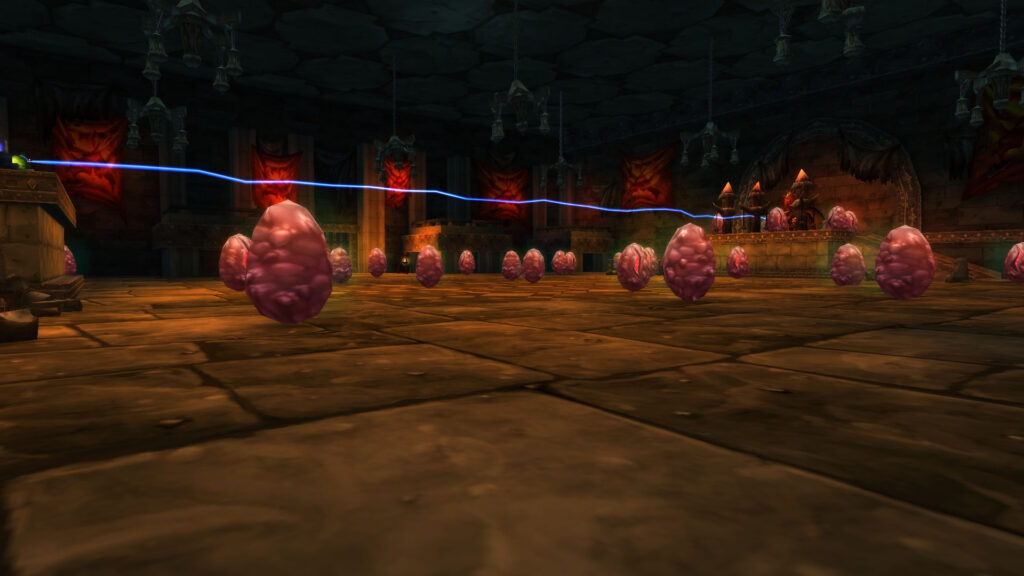
Each raid encounter comes with its own set of mechanics that can drastically affect your strategy and composition. For example, certain fights may require additional crowd control or higher DPS to overcome specific phases. It’s essential to adapt your raid composition based on these mechanics, occasionally swapping out classes to better suit the challenge at hand. This flexibility could involve bringing in more melee DPS for fights requiring high burst damage or additional healers for encounters that deal consistent raid-wide damage. Understanding each encounter’s demands will allow your team to optimize their composition effectively.
Communication and Leadership
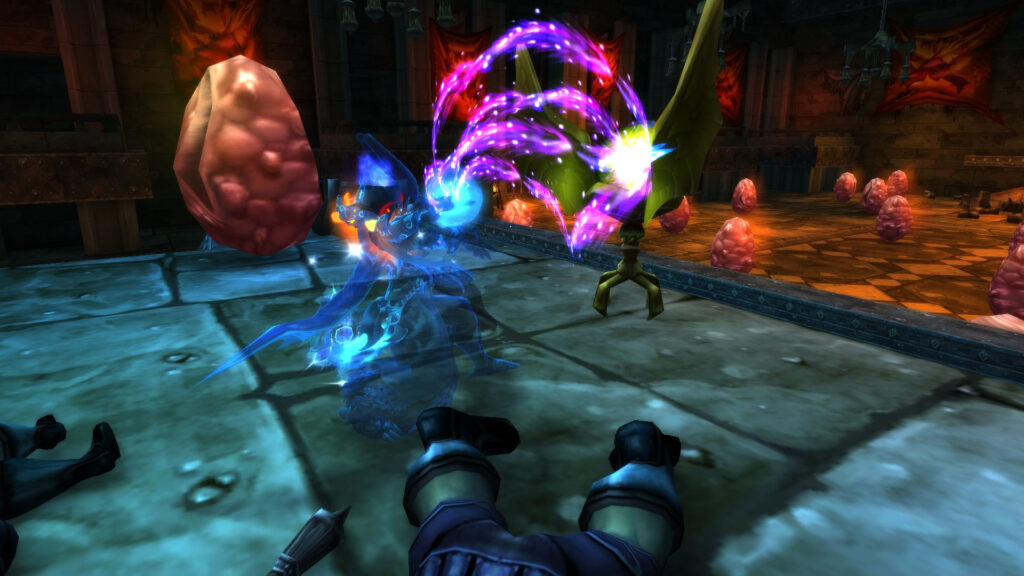
Finally, effective communication and leadership are vital for a successful 40-man raid. Assigning roles, establishing clear strategies, and ensuring that everyone is aware of their responsibilities can significantly reduce the likelihood of wiping on encounters. Utilizing tools like voice chat and raid frames can help maintain clarity during intense moments. Additionally, fostering a supportive environment where players feel comfortable discussing strategies and providing feedback can lead to improved performance and camaraderie within the group. Cultivating these aspects will not only enhance your raid’s success rate but also create a more enjoyable experience for all participants.
