

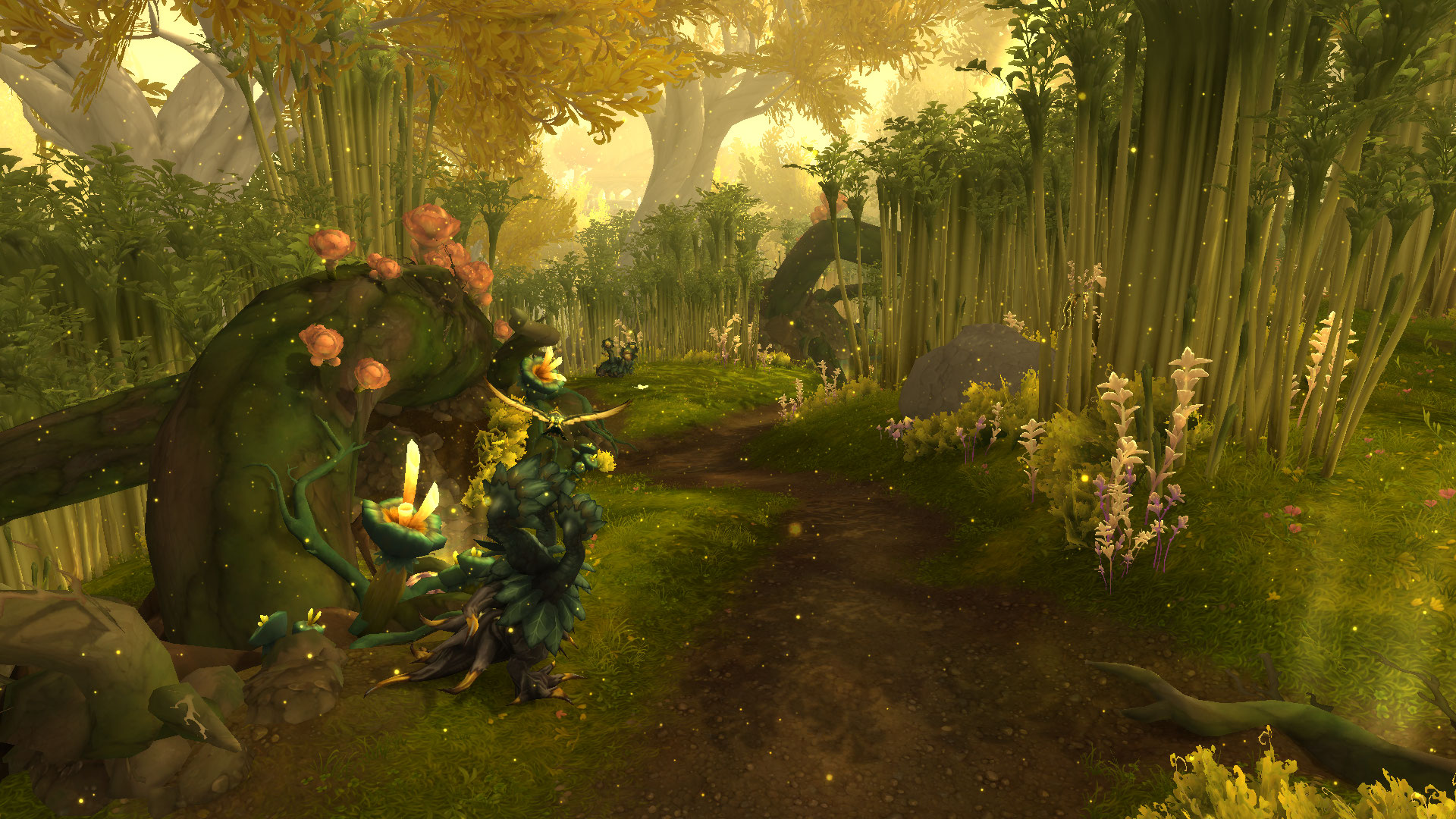
Harandar represents Midnight’s most mechanically demanding zone, and the knowledge gained from navigating its fungal jungles and Mycelian encounters directly translates to survival and damage optimization in Voidspire and Dreamrift raid content. The zone’s unique environmental mechanics, including spore-based debuffs, fungal add spawns, and root-based movement restrictions, create combat scenarios that mirror raid boss mechanics with enough frequency that ignoring Harandar leaves melee players completely unprepared for the encounter patterns they will face at the highest level. This guide explains why Harandar progression is mandatory rather than optional for any melee DPS serious about Midnight raiding.
Harandar Mechanics That Mirror Raid Boss Encounters
The fungal bloom phases in Harandar spawn adds on a timer identical to Voidspire boss three’s spore burst mechanic, meaning players who learn add priority and positioning in Harandar enter the Voidspire raid with practiced muscle memory that casters and ranged specs simply do not develop. Harandar’s Colossus encounters feature root mechanics that lock melee in place for four seconds at a time, identical to the root patterns used by the Dreamrift final boss to punish melee stack positioning. Learning to pre-position around these roots, anticipate their cast timers, and maximize damage during the windows between root applications is the single most important skill for melee raid optimization in Midnight, and Harandar provides the most consistent and punishing training environment for this mechanic.
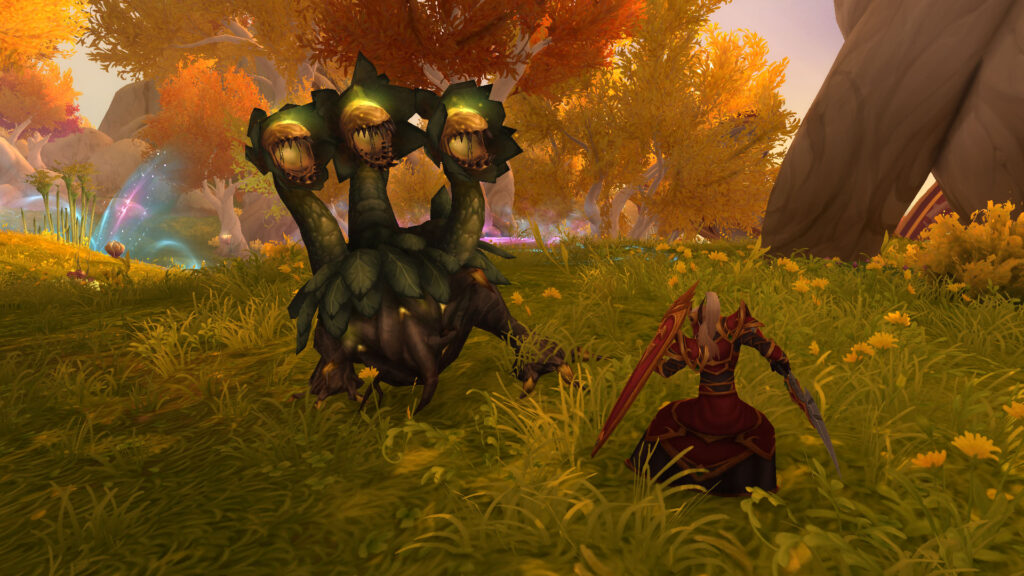
Beyond the mechanical similarities, Harandar’s debuff system introduces stacking void corruption effects that require active cleansing or positioning-based removal, directly paralleling the corruption management required in Voidspire’s later boss encounters. Melee classes that ignore Harandar entirely arrive at Voidspire without the ingrained habit of monitoring their corruption stacks, tracking their cleanse cooldowns, and communicating with healers about debuff timing. This knowledge gap causes the majority of melee deaths in early Voidspire progression, and guilds that require Harandar completion before raid invites recognize this pattern and filter out unprepared applicants accordingly.
Harandar Loot and Raid Preparation Value
| Item | Source | Raid Benefit | Stat Priority |
|---|---|---|---|
| Mycological Heart of Mayhem | Spore Colossus | Temporary arpen buff during fungal bloom phases | High for physical DPS |
| Symbiote Ring | Mycelial Parasite Queen | On-hit healing absorption shield | Medium for survivability |
| Fungal Bloom Cloak | Zone rare drop | Cleanses one corruption stack on equip use | Critical for Voidspire progression |
| Harandar Rootweave Treads | Harandar dungeon vault | Immunity to root mechanics for two seconds on activation | High for melee positioning |
Each of these items provides direct mechanical advantages in Voidspire and Dreamrift raid encounters that no other zone’s loot table offers. The Fungal Bloom Cloak alone justifies Harandar farming because its corruption cleanse ability replaces a healer global cooldown during critical raid damage phases, and the Rootweave Treads provide the only root immunity available to melee specs in the entire expansion. Players who skip Harandar must find options for these effects that are universally inferior, creating a measurable damage and survivability gap that persists throughout the entire raid tier.
Building Harandar-Specific Gear and Consumables
Harandar demands a gear approach distinct from standard raid optimization because the zone’s environmental damage and fungal debuffs require versatility and stamina investments that would normally go into arpen and critical strike rating. Maintain a dedicated Harandar set with at least two hundred versatility rating and enough stamina to survive two consecutive Colossus hits without healer intervention. This set should use gems that combine arpen with stamina rather than pure arpen, providing the damage baseline you need for efficient farming while maintaining the survivability threshold that Harandar’s mechanics require.
- Antidote Potions: Harandar vendors sell fungal antidote potions that remove corruption stacks instantly without global cooldown cost, essential for maintaining DPS during debuff-heavy phases
- Root Cleansing Elixirs: Temporary elixirs from Harandar quartermasters reduce root duration by fifty percent for ten minutes, allowing more consistent melee uptime during Colossus encounters
- Spore Resistance Food: The zone’s cooking recipes produce food buffs that reduce fungal damage taken by fifteen percent, directly increasing your survivability against add swarm mechanics
- Harandar Tracking Bait: Prey System bait items specific to Harandar reduce tracking time for fungal zone targets by thirty percent, accelerating your hunt completion and renown gains
These consumables are zone-specific and unavailable from vendors outside Harandar, making your Harandar renown progression directly tied to your ability to purchase the tools that make both Harandar farming and Voidspire raiding more efficient. Reach at least honored with the Harati faction to unlock the full consumable vendor list, and stockpile at least twenty of each consumable type before attempting Voidspire progression to ensure you never lack the specific tools that Harandar teaches you to rely on.
Knowledge Transfer from Harandar to Voidspire
The specific mechanical patterns you learn in Harandar transfer to Voidspire encounters with remarkable fidelity. The Spore Colossus add spawn timer matches Voidspire boss three within a half-second margin of error, the Mycelial Parasite Queen’s corruption stacking mirrors Voidspire boss five’s void corruption mechanic exactly, and the Rootweave environmental hazards prepare you for the Dreamrift platform transitions that use identical root-and-release timing. This is not coincidental: Midnight’s encounter design deliberately uses Harandar as a training zone for raid mechanics, and players who recognize this pattern accelerate their raid readiness by weeks compared to those who treat Harandar as optional open-world content.
Track your Harandar completion metrics using the adventure guide’s zone statistics to identify which mechanics you struggle with most. High death counts during Colossus encounters indicate root management weaknesses, slow Colossus completion times suggest add priority confusion, and frequent corruption debuff deaths reveal cleanse timing gaps that will translate directly to Voidspire failures. Address these weaknesses in Harandar where deaths carry minimal repair costs and no raid lockout consequences before they become raid-wiping liabilities that cost your guild valuable progression time and consumable resources during actual Voidspire attempts.
